Red Sage vs. Western Sage: Understanding the Difference
When you hear the word "sage," you might immediately think of the fragrant herb used in Thanksgiving stuffing or perhaps the dried bundles used for smudging. However, in the world of herbal medicine, the term "sage" covers a vast genus of plants with very different applications. For the TCM practitioner and the health-conscious patient alike, distinguishing between Red Sage (Dan Shen) and Western Sage (Common Sage) is essential for safe and effective use.
What is Western Sage?
Commonly known as Salvia officinalis, Western Sage is a staple in European herbalism and culinary traditions. It is primarily recognized for its earthy flavor and its antiseptic and astringent properties.
Primary Uses: Traditionally used to soothe sore throats, reduce excessive sweating, and aid digestion.
Key Compounds: Rich in essential oils like thujone and camphor.
Form: Usually consumed as a culinary spice, a tea, or an essential oil.
What is Red Sage (Dan Shen)?
Red Sage, or Salvia miltiorrhiza, is a cornerstone of Traditional Chinese Medicine. Unlike its Western cousin, the "Red" in its name refers to the vibrant color of its roots, which are the primary part used for medicinal purposes.
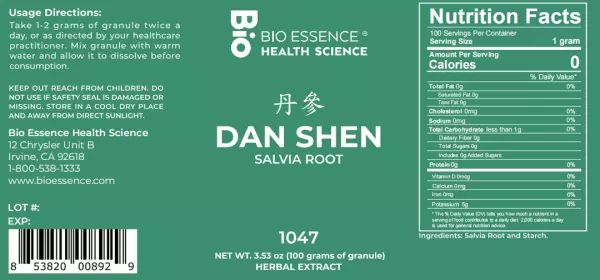
If you are looking to support cardiovascular health or improve systemic circulation, a dan shen supplement is often the preferred choice within the TCM framework.
Key Differences: Circulation vs. Digestion
The most significant difference between these two plants lies in their "energetic" function and clinical application.
Cardiovascular Support: In TCM, Dan Shen is famous for its ability to "invigorate the blood" and "break up blood stasis." It is frequently used to support heart health and maintain healthy blood pressure levels. Western Sage does not share these specific blood-moving properties.
Temperature and Flavor: Dan Shen is considered "bitter" and "slightly cold," targeting the Heart and Liver meridians. Western Sage is more "pungent" and "warm," often focusing on the lungs and digestive tract.
Active Ingredients: While Western Sage relies on volatile oils, Red Sage contains unique compounds known as tanshinones and salvianolic acids, which have been studied extensively for their neuroprotective and cardioprotective effects.
Addressing Common Concerns
A common question asked by both patients and the TCM practitioner is: Can I swap one for the other? The answer is generally no. Because their chemical profiles are so distinct, using Western Sage to treat a "blood stasis" pattern would not yield the desired results, and vice versa. Furthermore, because Dan Shen is potent in its ability to move blood, it must be used with caution by those on blood-thinning medications—a nuance that is less critical with culinary Western Sage.
Why Quality Matters in TCM
For those integrating these herbs into a clinical protocol, the source of the herb is just as important as the species. As a leading Chinese medicine supplier, BioEssence Health Science ensures that the Dan Shen used in supplements is authentic Salvia miltiorrhiza, harvested at the correct time to ensure peak potency of its active tanshinones.
About BioEssence Health Science
Bio Essence Health Science is dedicated to bridging the gap between traditional wisdom and modern wellness. By providing premium-grade TCM formulas and single-herb extracts, they support the TCM practitioner in delivering consistent, high-quality care to their patients. Their products undergo rigorous testing to ensure purity, safety, and efficacy.
Optimize Your Health with Authentic Herbs
Whether you are a practitioner looking to stock your clinic or an individual looking to support your heart health, choosing the right species is the first step toward wellness.
Explore our professional-grade dan shen supplement today and experience the profound benefits of authentic Red Sage.